
Your First Days in Croatia: What to Do and When
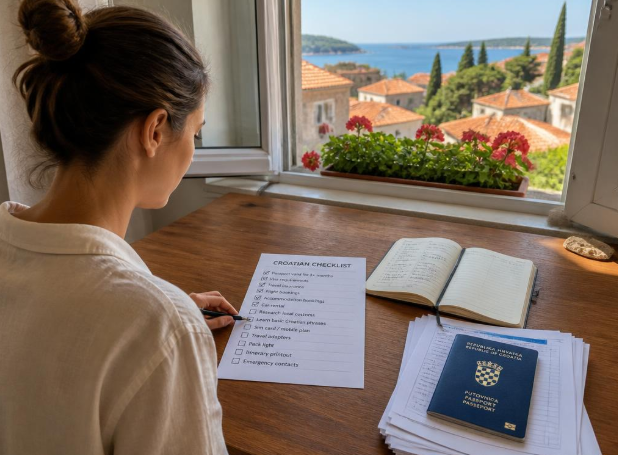
Arriving in Croatia is an exciting milestone, whether you are returning to your Croatian roots, relocating for work, moving with your family or starting a new chapter abroad. But once you arrive, a new set of practical questions begins: what to do after arriving in Croatia, which administrative tasks need attention first, and how do you know what comes next?
The first days can feel confusing when you are unfamiliar with local procedures, unsure which requirements apply to your circumstances, or trying to piece together information from different sources.
At LetsGo2Cro, we understand that moving to a new country involves more than getting settled into your home. Knowing what to consider, understanding the order of certain tasks, and having a clearer picture of your next steps can make the transition easier to navigate.
Your First Days in Croatia: Why the Order Matters
When you arrive in Croatia, you may have several practical and administrative matters to consider. Some can be addressed independently, while others may depend on your circumstances, existing arrangements or the completion of an earlier step.
This is why simply collecting a list of tasks is not always enough. You also need to understand which matters are relevant to you, whether anything is time-sensitive, and what should be prioritised.
For example, your immediate priorities may differ depending on whether you are:
- A Croatian citizen returning from abroad
- A member of the Croatian diaspora relocating to your family’s homeland
- An EU citizen moving to Croatia
- A non-EU citizen arriving with a residence permit
- Relocating with a partner or children
- Moving to Croatia for work or business
There is no single sequence that applies to every newcomer. Understanding your circumstances is an important starting point for working out what to do and when.
What to Do After Arriving in Croatia: The Main Areas to Consider
The practical tasks involved in arriving in Croatia will depend on your personal circumstances and the arrangements you have already made. However, there are several areas that may need your attention as you begin establishing your life here.
Residence and Address-Related Formalities
Depending on your citizenship and residence status, you may need to understand the registration requirements that apply to you.
The relevant procedures can differ according to your circumstances. It is important to establish which requirements apply, where the relevant process takes place, and whether any time limits need to be considered.
Identification and Administrative Records
You may need to understand which identification numbers, registrations or administrative records are relevant to your situation.
Rather than assuming that every newcomer needs to complete the same procedures, consider your existing status, what has already been arranged and which requirements remain relevant to you.
Healthcare and Insurance Arrangements
Understanding your healthcare arrangements is another important consideration when moving to Croatia.
The relevant requirements may depend on your citizenship, residence status, employment and existing insurance arrangements. It can be helpful to understand what applies to your circumstances and where to obtain reliable information.
Banking and Everyday Financial Arrangements
As you begin living in Croatia, you may also need to organize practical financial matters, including banking and arrangements for everyday expenses.
The steps involved can depend on your circumstances and the documentation available to you. Knowing what you may need to prepare can help you approach these arrangements more confidently.
Work, Business and Family-Related Matters
If you are moving to Croatia for employment, planning to operate a business or relocating with children, there may be additional matters to consider.
These can include work-related administration, business arrangements, schooling and other family needs. Your priorities will depend on your plans and the arrangements already in place.
The important point is to identify what applies to you rather than trying to follow a generic list that may not reflect your situation.
The Details That Can Catch People Out
One of the challenges of arriving in a new country is that information can be available without always making the practical process easy to understand.
You may find information about individual procedures but still be unsure how they relate to one another or which step you should consider first.
Some common sources of confusion include:
- Unclear requirements: You are unsure which procedures apply to your citizenship or residence status.
- Uncertainty about timing: You do not know whether a task is time-sensitive or can be addressed later.
- Documentation questions: You are unsure which documents or information may be relevant.
- Different advice: You encounter information that appears inconsistent or relates to someone else’s circumstances.
- Too many tasks at once: You have several things to organize but no clear way to prioritise them.
These questions can make the first days feel more complicated than expected.
The aim is not to learn every Croatian procedure before you arrive. It is to understand your own circumstances, identify the areas that require attention and approach the process in a clear, structured way.
Why a Generic Checklist May Not Be Enough
A general checklist can be a useful starting point, but it cannot account for every individual circumstance.
For example, a Croatian citizen returning from overseas may have different administrative priorities from an EU citizen moving to Croatia or a non-EU citizen arriving under a particular residence pathway.
Your situation may also be affected by whether you are moving alone or with family, whether you already have accommodation arranged, and which matters you have completed before arrival.
This is where understanding the sequence of tasks becomes important.
Instead of trying to do everything at once, it can help to establish which areas are relevant to your situation, what needs attention first and what you may need to prepare for the next stage.
Your First 30 Days in Croatia: A More Structured Approach
Your first month does not need to be about resolving every aspect of your new life immediately. It is about understanding your priorities and working through the relevant tasks in a considered way.
A useful starting point is to think about your arrival in stages:
- Before arrival: Understand what may need to be prepared in advance and which arrangements are already in place.
- Your first days: Identify the immediate practical and administrative matters relevant to your circumstances.
- The following weeks: Work through the remaining priorities and clarify any requirements that need further attention.
- By the end of the first month: Review what you have organized, identify outstanding matters and understand the next steps in your transition.
These are broad planning stages, not a universal administrative sequence. The timing and order of individual tasks will depend on your circumstances and the requirements that apply to you.
If you would like a more personalized way to organize your first month, our First 30 Days in Croatia Checklist is designed to help you understand the practical matters relevant to your situation, organize your priorities and approach your transition with greater clarity and structure.
Moving to Croatia Is More Than Paperwork
Although administrative matters are an important part of arriving in Croatia, they are only one aspect of establishing a life here.
You may also be adjusting to a different pace of life, learning how everyday systems work, getting to know your neighbourhood and becoming familiar with local services.
For members of the Croatian diaspora, returning to Croatia can carry additional emotional significance. Reconnecting with your roots and family heritage can be deeply meaningful, while adapting to everyday life may take time.
You do not need to have everything figured out immediately. Giving yourself room to adjust, knowing where to find relevant information and having a practical approach to your priorities can help you navigate the transition.
You may also find our What to Do Before Moving to Croatia guide useful if you are still preparing for your move, or our What to Do After Moving to Croatia guide for a broader overview of the practical areas involved in settling into life here.
How LetsGo2Cro Can Help
At LetsGo2Cro, we understand the practical realities of relocating to Croatia, including the uncertainty that can arise when you are unfamiliar with local systems and procedures.
Drawing on our own relocation experience and knowledge of the practical aspects of life in Croatia, we provide personalized guidance and support tailored to your circumstances.
Depending on your needs, we can help you:
- Understand the practical areas relevant to your move
- Discuss the questions and uncertainties you have about arriving in Croatia
- Explore the options that may apply to your circumstances
- Identify areas that may need further attention
- Understand the next steps to consider
- Organize your priorities as you begin establishing your life here
Our approach focuses on helping you understand your situation and move forward with greater clarity and structure.
For a broader discussion of your plans and circumstances, you can also book a personalized consultation.
Your First 30 Days in Croatia: A Personalized Plan
If you are preparing to arrive in Croatia or have recently landed and are unsure where to start, our First 30 Days in Croatia Checklist offers a more personalized approach to planning your first month.
This plan is tailored to your circumstances, priorities and moving arrangements. It helps you understand the relevant areas to consider, organize your priorities and approach the practicalities of your first 30 days in a more structured way.
Rather than trying to piece together information and work out every next step on your own, you can have a clearer plan for navigating the transition.
Ready to Make Your First Days in Croatia Easier?
Arriving in Croatia should be the beginning of your next chapter, not a period spent feeling overwhelmed by unfamiliar procedures and uncertainty about what to do first.
With a clearer understanding of your circumstances and the tasks that may require attention, you can approach the transition with greater confidence and a more organized plan.
Explore our First 30 Days in Croatia Checklist for personalized guidance tailored to your arrival, priorities and next steps.
If you would like to discuss your circumstances before deciding what support you need, you can also book a personalized consultation with LetsGo2Cro.
Frequently Asked Questions
What should I do after arriving in Croatia?
The tasks you need to consider will depend on your citizenship, residence status, accommodation and personal circumstances. You may need to consider residence formalities, administrative records, healthcare arrangements and other practical matters. Understanding which requirements apply to you is a useful starting point.
What should I do first when I arrive in Croatia?
There is no single first step that applies to everyone. Your immediate priorities depend on your circumstances and the requirements relevant to your situation. It is helpful to identify any time-sensitive matters and understand whether certain steps depend on earlier arrangements.
Do I need to complete everything within my first 30 days?
Not necessarily. The timing of individual tasks depends on the applicable requirements and your personal circumstances. The first month is a useful period for identifying priorities, addressing relevant matters and understanding what remains to be done.
Is the process the same for everyone moving to Croatia?
No. The requirements and practical steps can vary according to citizenship, residence status, family circumstances, employment and other factors. Information that applies to one person may not apply in the same way to another.
Can LetsGo2Cro help me understand what I need to do after arrival?
Yes. LetsGo2Cro provides personalized guidance to help you discuss your circumstances, understand the practical areas that may be relevant and identify potential next steps. The level of support depends on your needs.
What is the First 30 Days in Croatia Checklist?
It is a personalized plan designed to help you understand the practical matters relevant to your arrival, organize your priorities and approach your first month in Croatia with greater clarity and structure.
Should I arrange things before arriving in Croatia?
Some matters may be easier to prepare before departure, while others depend on your circumstances and arrangements after arrival. Our What to Do Before Moving to Croatia guide provides a broader overview of areas to consider before your move.
Make Your First Days in Croatia Easier
Knowing what to do after arriving in Croatia can make the transition feel more manageable. With a clearer understanding of your priorities and the administrative matters relevant to your circumstances, you can approach your first month with greater clarity and structure.
Get personalized support for your arrival with the First 30 Days in Croatia Checklist.
This tailored plan helps you understand what to consider, organize your priorities and identify the next steps relevant to your circumstances.
Ready to get started?
📩 Book a personalized relocation consultation with LetsGo2Cro to discuss your plans, understand your priorities and explore the practical steps relevant to your move to Croatia.