
Croatian Citizenship and Different Names in Family Records
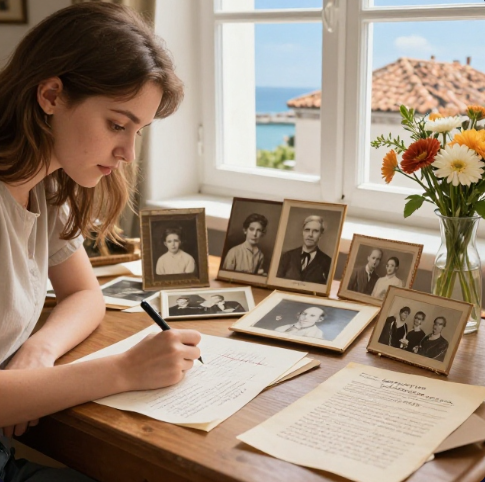
Croatian citizenship and different names in family records often go hand in hand when exploring Croatian ancestry. Over generations, names can change through marriage, migration, translation, spelling variations or the adoption of a different first name after settling in another country.
If you are researching your Croatian family history, you may discover that your ancestor’s Croatian birth record shows one name, while later Australian, American, Canadian or other overseas records show another. Your grandmother may have used her maiden name on one document and her married surname on another. A Croatian name may also have been adapted to suit the language of a new country.
These differences are a natural part of many family histories. They do not automatically mean that your Croatian citizenship journey must stop, but it is important to understand how the records relate to one another when preparing an application.
Why Do Names Differ Across Family Records?
Name changes often reflect the lives people lived, the countries they moved to and the families they built. When tracing Croatian ancestry, it is quite common to find variations across records created at different times and in different places.
Some common examples include:
- First names adapted to another language: Ivan may appear as John, while Marija may appear as Maria or Mary.
- Surname changes through marriage: A woman may appear under her maiden surname on her birth record and her married surname on later documents.
- Spelling variations: A surname may have been recorded differently when Croatian names were written in another language or alphabet.
- Changes after migration: An ancestor may have adopted a different name or spelling after moving overseas.
- Official name changes: A person may have legally changed their first name, surname or both.
- Differences in historical records: Older documents may contain variations in spelling or personal details.
Sometimes a difference is easy to understand once the family history is known. In other cases, the connection between the names may need further investigation.
How Can Different Names Affect a Croatian Citizenship Application?
When preparing an application for Croatian citizenship through ancestry, family records help establish the connection between you and your Croatian parent or ancestor.
If names vary between birth, marriage, death or other records, it may not be immediately clear that the documents refer to the same person. This is why it is important to look at the family history as a whole rather than considering each document in isolation.
For example, your Croatian great-grandfather may have been registered under one name in Croatia but appear under an anglicised name in another countries records. Your grandfather’s birth certificate may then use the overseas version of that name.
Understanding how these records connect can help you organise your family documentation and identify where further information may be needed.
Name Changes Through Marriage
Marriage is one of the most common reasons names differ across family records.
A Croatian ancestor may have a birth certificate under their maiden surname, a marriage record showing their change of surname, and later records using their married name. If the marriage took place overseas, it may also be relevant to understand whether the marriage has been registered in Croatia.
These records can help explain how a person’s name changed over time and how they appear in different parts of the family documentation.
If you need guidance on this process, visit our page on registering a marriage in Croatia.
What If Your Croatian Ancestor Used a Different Name Overseas?
Many Croatian families settled abroad and adapted to a new language and culture. In some cases, first names were translated or shortened, while surnames were written phonetically or recorded with different spellings.
For descendants, this can create questions when comparing Croatian records with documents issued in another country. It is helpful to consider the historical and family context. The person’s place of birth, parents’ names, dates and other details may help explain the connection between records.
Where the differences are more significant, additional documentation or clarification may be needed. The appropriate approach depends on the circumstances and the records available.
Understanding Your Family Records
When exploring Croatian citizenship, it helps to build a clear picture of your family history and the names recorded across generations.
You may already have birth certificates and other family documents. You may also be working with incomplete records or information passed down through relatives. Reviewing what you have can help identify where names differ, which records may help explain those differences and whether additional information may be useful.
You do not need to have every answer before you begin exploring your options. However, taking the time to understand your family records can provide a more organized starting point for your citizenship application preparation.
If you are still learning about your family’s connection to Croatia, our Croatian citizenship by descent guide may also help you understand the broader process.
How LetsGo2Cro Helps With Family Records
At LetsGo2Cro, we understand that family records can become complicated when names have changed across generations or documents come from different countries.
Our role is to help you understand your circumstances, organize the information you have and prepare your application materials in a clear and structured way.
We can assist with:
- Reviewing your Croatian family background and the records you already hold.
- Identifying name variations across relevant family documents.
- Helping you understand how your family history may relate to your potential citizenship pathway.
- Discussing what additional information or documentation may be relevant.
- Assisting with Croatian document sourcing where available.
- Helping organize your family records and supporting application materials.
- Providing hands-on Croatian citizenship application preparation support.
For more information about the different pathways, visit our Croatian citizenship page or explore our guidance on Croatian dual citizenship.
Connecting Your Family History With Your Croatian Heritage
Family documents are more than official records. They can reflect migration, marriage, new beginnings and the ways families adapted to life in another country.
A changed surname or a different version of an ancestor’s first name is normal part of the migration process, understanding those changes can be an important part of discovering your Croatian roots and exploring whether a citizenship pathway may be available to you.
You can also explore our Croatian ancestry and heritage guide to learn more about the connection between family history and Croatian citizenship.
If your family history includes overseas marriages or children born outside Croatia, you may also find our pages on registering children in Croatia and registering a marriage in Croatia helpful.
📩 Book a personalized Croatian citizenship consultation to discuss your Croatian family history, the documents you already have and the potential pathway you may wish to explore.
Frequently Asked Questions
Is it common for Croatian ancestors to have changed their names?
Yes. Name changes and variations are common in families who migrated from Croatia. First names may have been adapted to another language, surnames may have been recorded differently, and marriage or legal name changes may have resulted in different names across family records.
What if my Croatian ancestor used an English name overseas?
An ancestor may have used a different first name or surname after moving abroad. It is important to understand the connection between the Croatian and overseas records and consider what supporting information may help explain the variation.
What if my grandmother’s maiden and married surnames are different?
This is a common situation. Birth and marriage records may help establish the connection between the two surnames. If the marriage took place overseas, it may also be worth checking whether it needs to be registered in Croatia, depending on the circumstances.
Can LetsGo2Cro help me review my family records?
Yes. LetsGo2Cro provides personalized guidance and application preparation support, including help reviewing your family background, understanding relevant documentation and organizing your supporting materials.
Ready to Explore Your Croatian Citizenship Pathway?
With personalized guidance and hands-on application preparation support, we can help you better understand your family records and plan your next steps.
📩 Book your Croatian Citizenship Consultation and take the next step towards reconnecting with your Croatian heritage.